Introduction and Its Place in the Cosmetic World
Sorbitol is one of the indispensable, yet often overlooked, hidden heroes of the cosmetic and personal care industry. Primarily belonging to the sugar alcohol (polyol) class, this special ingredient acts as a superior moisturizer (humectant) in skincare products. Although glycerin or hyaluronic acid are the first things that come to mind when talking about hydration in the cosmetic world, sorbitol stands out with its unique sensory profile and versatile benefits. Its capacity to provide deep hydration without leaving a sticky feeling on the skin, unlike glycerin, makes it an ideal alternative, especially for lightweight serums, gel creams, and daily moisturizers. In today's modern cosmetic formulations, it is widely used to maintain the skin's natural moisture balance, extend the product's shelf life, and improve its texture. Appearing in a wide range of products from hair care to oral hygiene, not just skincare, sorbitol forms one of the cornerstones of skincare routines with its smoothing and soothing properties that support the skin's appearance against external factors.
Chemical Structure, Source, and Production Method
Chemically, sorbitol (also known as D-glucitol) is a six-carbon sugar alcohol with the molecular formula C6H14O6. The numerous hydroxyl (-OH) groups in its molecular structure form the basis of its ability to attract and retain water (hygroscopic). These hydroxyl groups form strong hydrogen bonds with water molecules, preventing water from evaporating and ensuring it is trapped within the formulation. It is naturally found in abundance in apples, pears, peaches, plums, and various berries. However, the sorbitol used in the cosmetic industry is generally produced industrially through the catalytic hydrogenation (reduction) of glucose derived from corn syrup or wheat. This production process ensures the acquisition of a high-purity, stable ingredient suitable for cosmetic use. Sorbitol is an isomer of mannitol; meaning that although they have the same molecular formula, the three-dimensional arrangement of the atoms is different. This structural feature ensures that sorbitol is highly soluble in water and has an odorless, colorless, and slightly sweet profile. For cosmetic chemists, one of the most attractive physical properties of sorbitol is its extraordinary stability over a wide range of temperatures and pH levels. It also functions as an excellent preservative agent by preventing the evaporation of water within the formulation, thereby stopping the product from drying out or crystallizing inside its packaging.
Role in Skincare and Mechanisms of Action
The primary and critical role of sorbitol in skincare is its function as a powerful humectant. When applied to the skin surface, it draws moisture from the environment and water from the lower layers of the skin toward the stratum corneum (the outermost layer of the skin) and traps it there. This mechanism significantly reduces the skin's transepidermal water loss (TEWL) and supports the skin in looking hydrated, plump, and supple throughout the day. Well-hydrated skin helps to soften the appearance of fine lines and achieve a smoother skin texture. Sorbitol's mechanism of action is not limited to passive hydration; it also works in harmony with the skin's Natural Moisturizing Factors (NMF), supporting the appearance of the skin barrier and providing a healthier skin feel. By wrapping the skin like a shield against environmental stressors (cold air, wind, dry indoor air), it reduces the feeling of tightness caused by dryness. Recent cosmetic research shows that sorbitol may also have positive effects on the skin microbiome, helping to maintain the natural balance of the skin surface. Furthermore, because the enzymes that help the skin look more vibrant and free of dead cells require an aqueous environment, sorbitol indirectly contributes to the healthy progression of the natural cell renewal process (desquamation) by keeping the skin hydrated. The velvety feel it leaves on the skin, combined with deep hydration without leaving a heavy or oily layer, makes it an excellent active ingredient for every skin type, especially for dehydrated and sensitive skin.
Areas of Use and Formulation Details
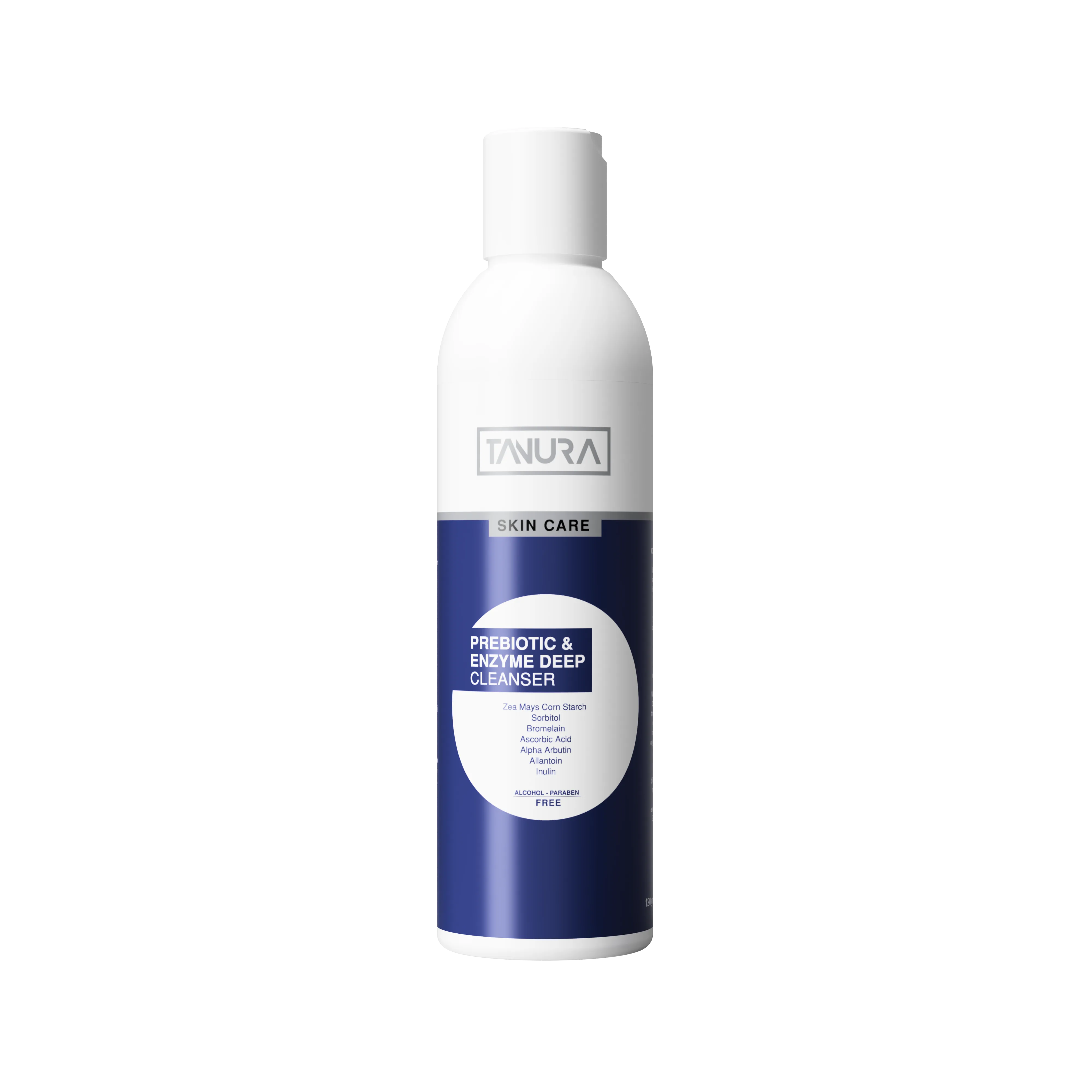
Thanks to its versatility, sorbitol has an incredibly wide range of uses in the cosmetic industry. In skincare, it is frequently found in the formulations of facial cleansing gels, toners, moisturizing serums, lotions, and intensive care creams. Especially when used in cleansing products, it buffers the drying and tightening effect that surfactants can create on the skin, ensuring the skin remains soft after washing. In transparent gel formulations, it acts as a thickener and stabilizer without compromising the clarity of the product. In hair care products, it is used in shampoos, conditioners, and styling gels to help hair strands retain moisture, prevent frizz, and give the hair a shinier, more flexible appearance. In toothpastes and mouthwashes, it is an industry staple as both a sweetener and an agent that prevents the product from drying out inside the tube. When delving into formulation details, sorbitol is generally used in concentrations between 1% and 10%. Thanks to its excellent solubility in water, it can be easily integrated into water-based systems. In emulsions (mixtures of water and oil), it increases the stability of the water phase, preventing the product from separating into phases over time. Formulators often prefer sorbitol when they want to break the sticky feeling that glycerin can create and achieve a more elegant touch, or they mix these two polyols in specific ratios to create a synergistic moisturizing complex.
Compatibility with Other Ingredients and Synergistic Effects
Sorbitol is an extremely compatible and 'peaceful' ingredient in cosmetic formulations. It can be used seamlessly with almost all other active ingredients. Especially when combined with other moisturizers (Glycerin, Hyaluronic Acid, Sodium PCA, Panthenol), it creates a powerful synergy that maximizes moisture retention capacity in different layers of the skin. When used with barrier-repairing lipids like ceramides and squalane, sorbitol attracts water while the lipids trap it, creating a flawless moisture cycle. It creates no stability issues when formulated with acids like AHA and BHA or actives requiring low pH like Vitamin C; on the contrary, it mitigates the potential dryness and irritation these actives might cause, increasing the formulation's skin tolerance. It supports the effectiveness of anti-aging ingredients like niacinamide and peptides by providing the moist environment ideal for their penetration into the skin.
Conclusion and General Assessment
In summary, Sorbitol is one of the most reliable, effective, and versatile moisturizing agents offered by modern cosmetic science. Going beyond being a simple water-retainer in skincare, it is a fundamental building block that supports the skin's overall flexibility, texture, and appearance against external factors. The lighter and non-sticky sensory profile it offers compared to glycerin makes it indispensable, especially for formulations seeking comfortable use. Whether it is in a gel that gently cleanses your skin or at the heart of a cream that provides all-day moisture, sorbitol silently but powerfully helps you achieve a healthier, plumper, and more radiant skin appearance by supporting the skin's natural moisture barrier. Seeing this valuable polyol on cosmetic product labels is an important indicator that the product respects your skin's moisture balance and aims for long-term hydration.